Old Mans Beard

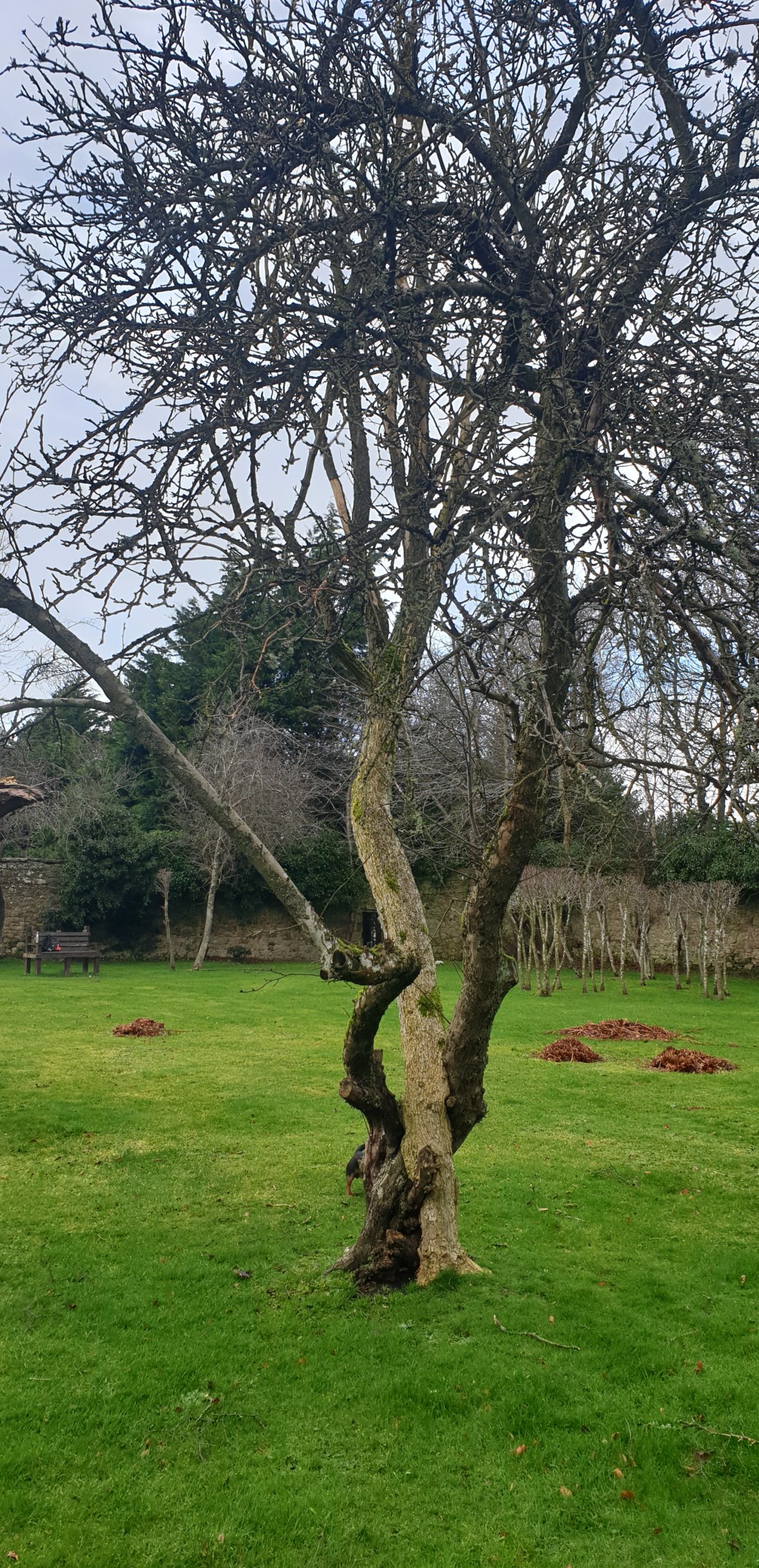
This is another “Gaunnae no dae that” herb. It is a fairly rare and in decline species so not really for picking. I am only writing a little about this fairly rare Lichen as it is a significant herb to find so close to the concrete jungle of Wester Hailes, it only really likes to grow in older undisturbed and unpolluted areas, so it is a good indicator that we have an unpolluted area near us, and there is likely to be more flora and fauna nearby worth observing. Shortly after finding this I bumped into 3 Deer who soon made a sharp exit, but it was a beautiful sight to see so close to home. Less than 1/2 a mile from WHALE Arts.
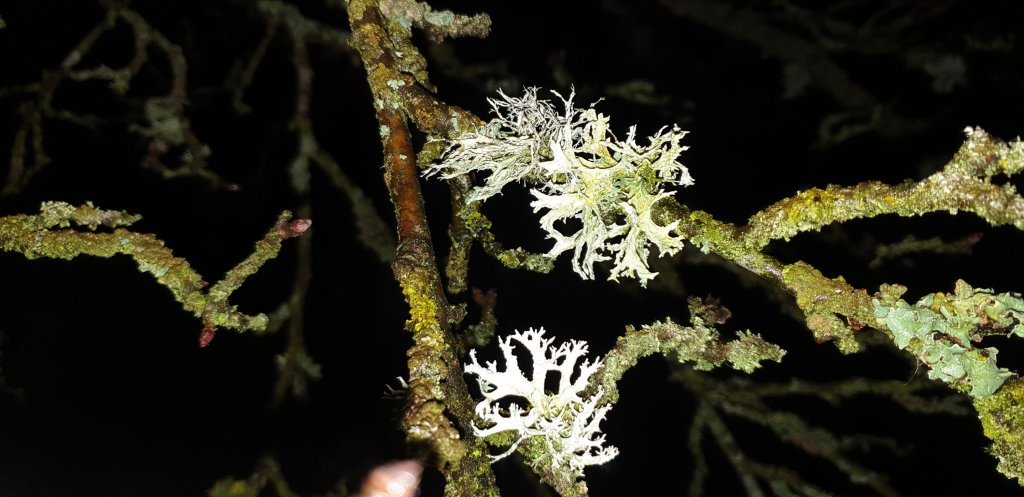
Old Mans Beard is actualy a sybmiotic relationship of 2 species, a skeleton of fungi covered in algae.

Grass Roots Remedies have a very good write up on Old Mans Beard over HERE if you want to learn more about it.

Although I will be skipping by and not using this one it stll has some cool folklore, possibly being the first ever tinsel, wich ties in with some other folklore that i read about Christmas traditions originating in Northern Europe. But that is another post completely…….
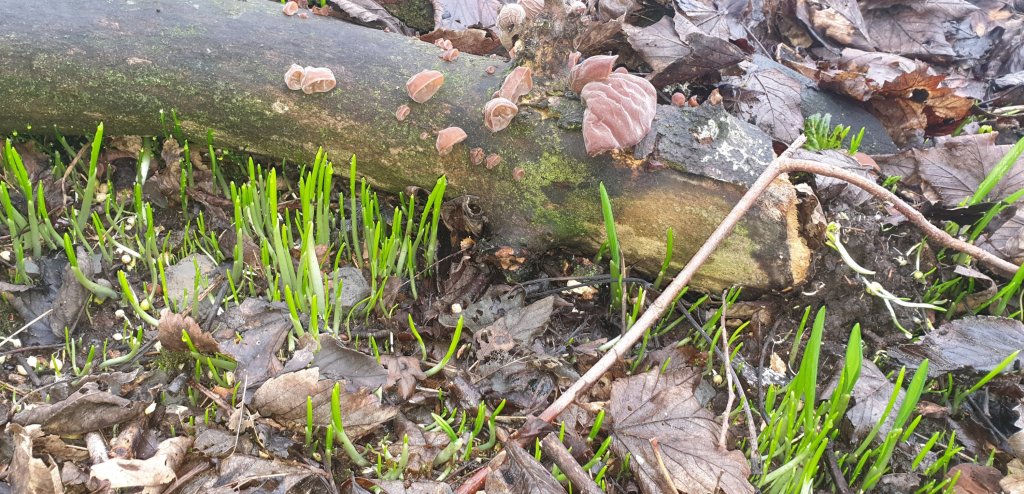
It Smells Like Garlic in these woods….

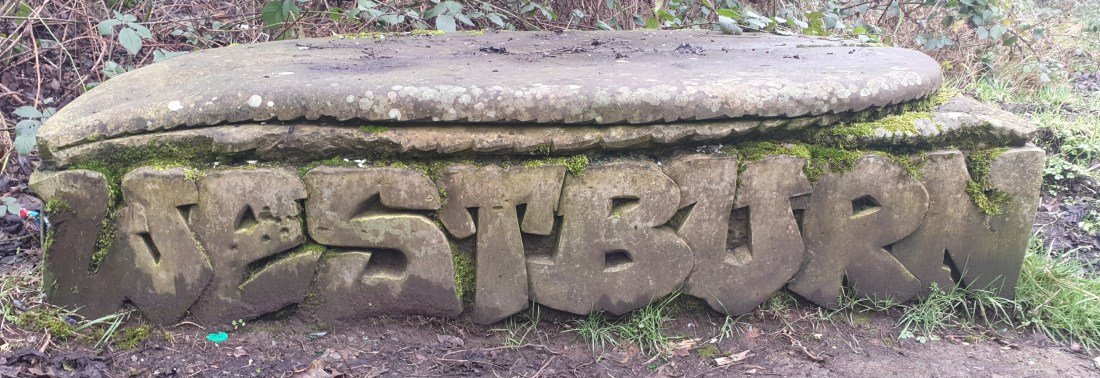
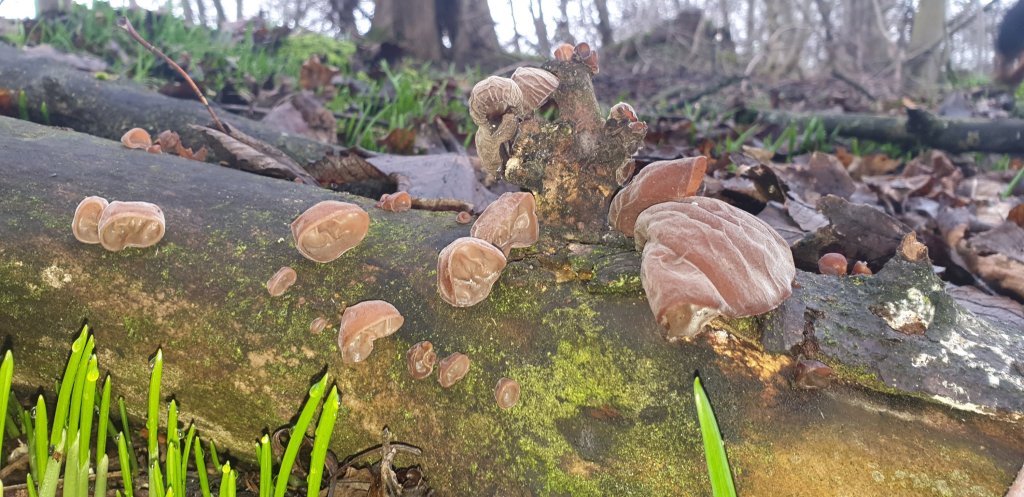
Wild Garlic or Few Flowered Leek shoots growing next to a fallen log with Jelly Ear Fungus on it in Westburn Woods.

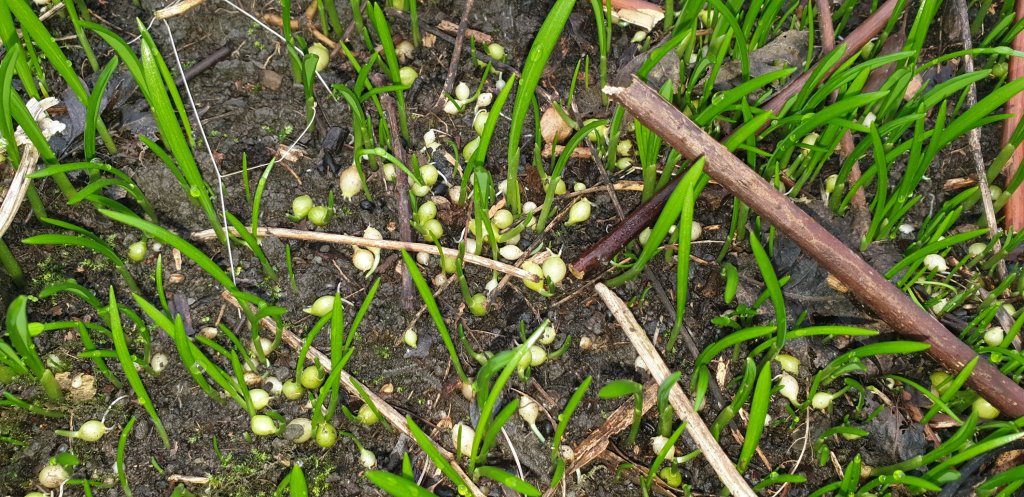
Have you ever been out walking and thought to yourself or heard somone else say “It smells like garlic around here?” If so it is likeley you were close to Few Flowered Leek (Allium Paradoxum) or Wild Garlic (Allium Ursinum). I am not quite sure how to tell the difference at this young stage but I think it is the invasive Few Flowered Leek as the new bulbils shoot up a bit earlier in the season than Wild Garlic, i think Wild Garlic leaves would be a bit wider too. It definetly has the wonderfull garlic aroma and taste. I am looking forward to foraging some of these as they get bigger later in the season. They are edible now, but it is better to let them get established before harvesting any decent amount to use. In saying that, i did graze on a few and added a few to the sandwich I had with me.

I am not going into much detail about this wonderful edible plant yet. This is more just me recording it is there, when I first seen it popping up this year, how much of it is there, etc etc. Botanists and scientists call this Phenology (you may notice I tag some of the posts with this).

Two fun ways to get involved with Phenology records and help build your knowledge on how to identify plants and wildlife is with either the Woodland Trust Natures Calendar or The Big Butterfly Count.

Fresh shoots coming from last years bulbils that are still sat on top of the soil.

If you do decide to go learn more and forage some of this it is important to notw that although it is tempting to grab huge handfulls for quickness, doing so is both destructive and not a sustainable way of foraging. There is also a chance you will be be collecting grass or flower shoots that are not edible. So gaunnae no dae that.

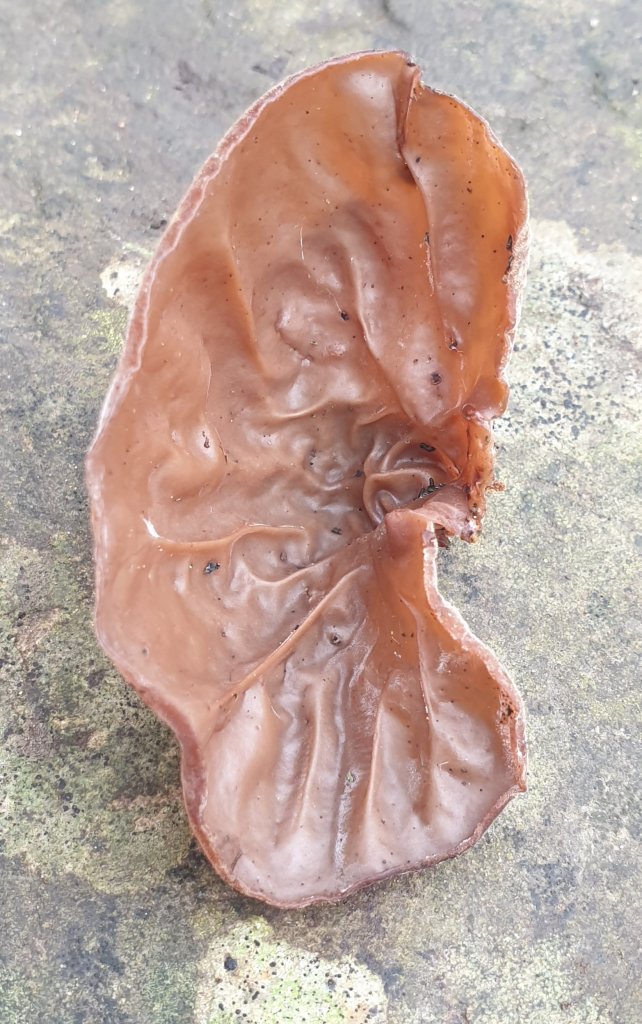
Jelly Ear Fungus

  • Common Names: Jelly Ear, Wood Ear, Jews Ear,
  • Latin Name: Auricularia auricula-judae

First thing I picked this year was a couple of Jelly Ear Fungus down at Westburn Woods on the 12th of January at the Explorers Guide to Westburn Woods event organised by WHALE Arts and Edinburgh Arts Festival with Fork In The Road coming along to take control of cooking on the fire.

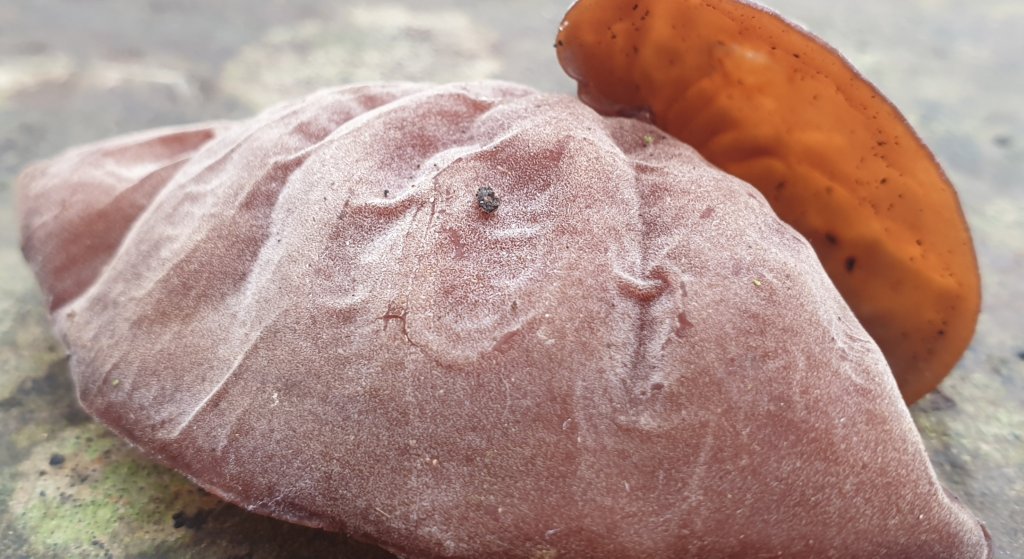
IDENTIFICATION: Jelly Ear is an odd looking fungus that seems too scary to pick at first. However it is really easy to identify and use. The Jellys Ear fungus is most commonly found on the dying branches of dead elder trees and if you only pick it from Elder trees you will not go wrong as its lookalikes do not grow on Elder. To be honest once you have seen it a few times on Elder you will quickly become confident of picking it elsewhere. I like to use the name Jelly Ear as it describes exactly how this edible fungus looks, just like an ear, it grows “listening” towards the ground, so the bowl of the ear faces downwards, with a velvet like outer and smoother surfaced inner.

Jellys Ear will survive times of drought with the fruiting body completely drying out and looking dead, it can be picked and used fully hydrated or dried, in fact using it dried in a flavoursome sauce is probably best as it absorbs the flavours during rehydrating.

Please do use other sources to help you correctly identify anything you pick. I highly reccomend the Collins Gem Field guides if you like a book to look at.

Velvet like outer.
The smooth surface with vein like ridges on the inside of the cup.